Velkommen til SmartSteps2Learn.
Vi handler udelukkende med institutioner med EAN nummer.


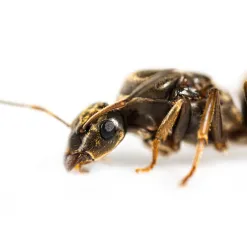
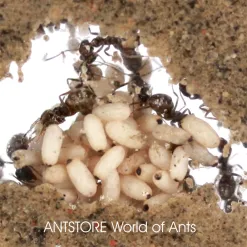
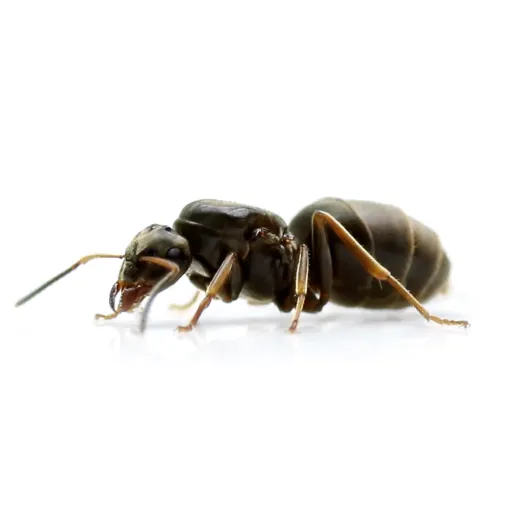
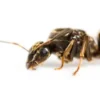
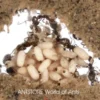
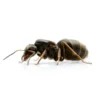
AntCube Lasius niger (sort havemyrer) – Sæt med 1 x DRONNING + 11-25 arbejdere
189,00 kr. Ex. moms
Lasius niger (sort havemyrer) – Sæt med 1 x DRONNING + 11-25 arbejdere
| Latin Name: |  |
Lasius niger |
| Trivialname: |  |
Black Garden Ant |
| Taxonomy: |  |
Subfamily: Formicinae, Tribe: Lasiini |
| Keeping Level: |  |
(1) very easy in keeping |
| Distribution: |  |
all above Europe, Northafrica, moderate climate asia, Northamerica |
| Habitat: |  |
prefers sunexposed openland, often on ruralareas and in anthropogenic disturbed land |
| Colonyform: |  |
monogyne |
| Queen: |  |
Size: 9mm Colour: black; light brown shimmer |
| Worker: |  |
Size: 3 – 5mm Colour: black with light brown shimmer |
| Soldier: |  |
not present |
| Males: |  |
Size: 3,5 – 4,5mm Colour: black , slim |
| Nutrition: |  |
Honeywater and insects e.g. Dipterans like Flies or Mosquitos |
| Airhumidity: |  |
Arena: 30 – 50% Nestpart: 50 – 60% |
| Temperature: |  |
Arena: 18 – 28°C Nestpart: 21 – 24°C |
| Hibernation: |  |
yes, from end of October until end of March at 5 – 8°C |
| Nestform: |  |
Build their nest in soil, under stones, |
| Kind of Formicaria: |  |
Farm, Farmbasin, Basin, Framebasin, Island, Ytong/Plaster, Digfix |
| Formicaria size: |  |
Size: S – M |
| Substrate: |  |
Farm: Sand-Loam Arena: Sand-Loam |
| Planting: |  |
similar to forest- and sand areas, moss, grass and other plants |
| Decoration: |  |
Branches, Roots, Treeneedels, stones |
| Description: |  |
Very tough and defensible ants that grow into a large colony if kept well. Within 3 years they can reach a population of up to 10,000 workers. In the wild they breed aphids for example on roses, elderberries, red/black currants |
| Development: |  |
matingflight: on warm days mid – may to the end of june at 22 – 28°C founding: claustral (without feeding) from Egg to adult worker approx. 6 – 8 Weeks (Egg to Larvae: approx. 10 -12 days, Larvae to Pupae: approx. 10 -14 days, Pupae to worker :approx. 10 – 24 days, depending on temperature). The maintime of activity is between april to october.The lifespan of the queen can be up to 15 years (still not completly clear) . colonysize: up to 40.000 Individuals |
| Quantity: |  |
one fertilized queen with workers (see selection); brood (depending on the season and development) |
Relaterede varer
-

ANTCUBE Startsæt L – 20×20 – Gips – Sættet består af 30 dele og er velegnet til forskellige myrearter, især til gravende arter. Størrelse: L
1.645,00 kr. Ex. moms -
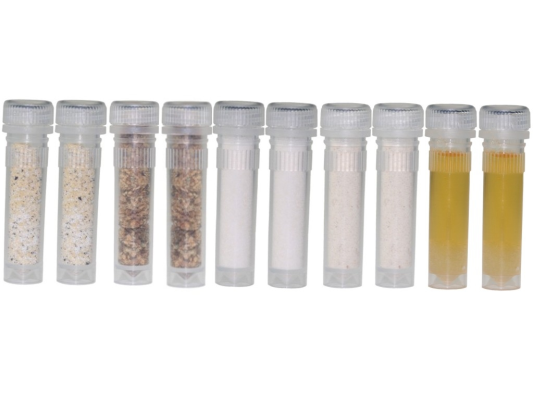
AntCube Food Mix Set – Standard – Indhold: 2 ml pr. foderrør
99,00 kr. Ex. moms -
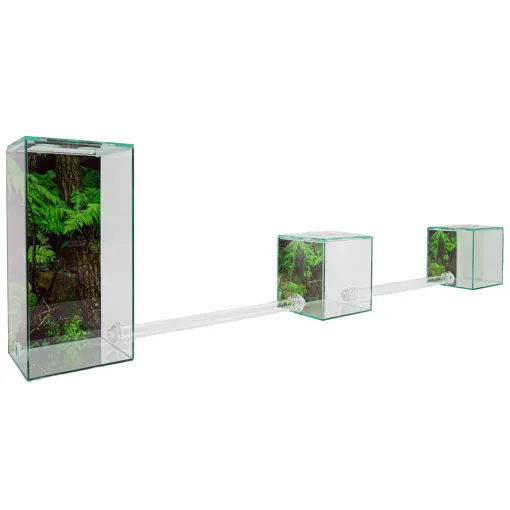
ANTCUBE – Startsæt til bladskærermyrer -Small – Sættet består af 55 dele
3.395,00 kr. Ex. moms -
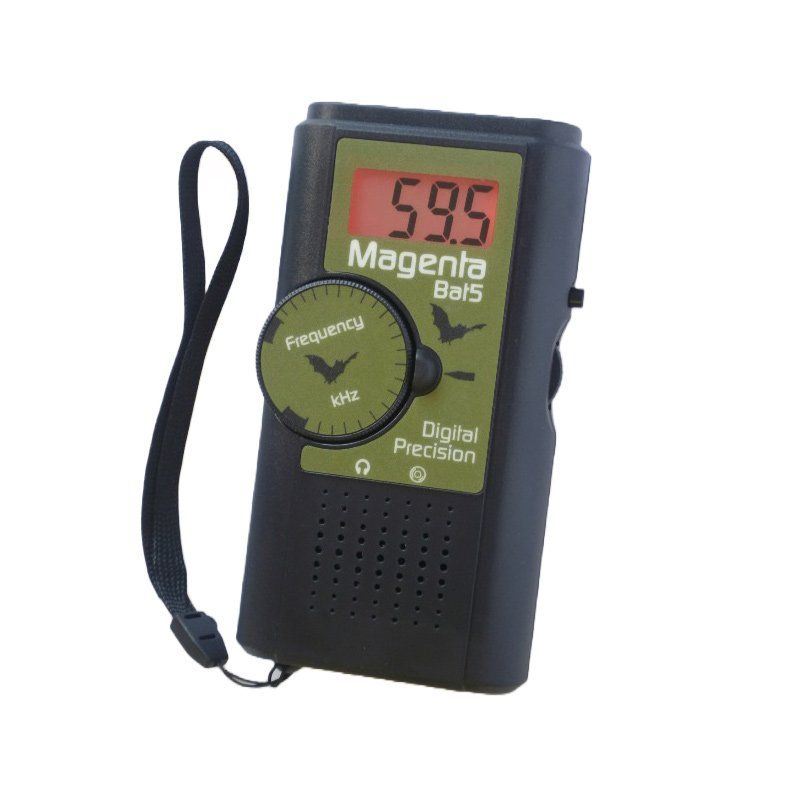
Magenta Bat5 Digital Quartz Bat Detector
1.165,00 kr. Ex. moms
